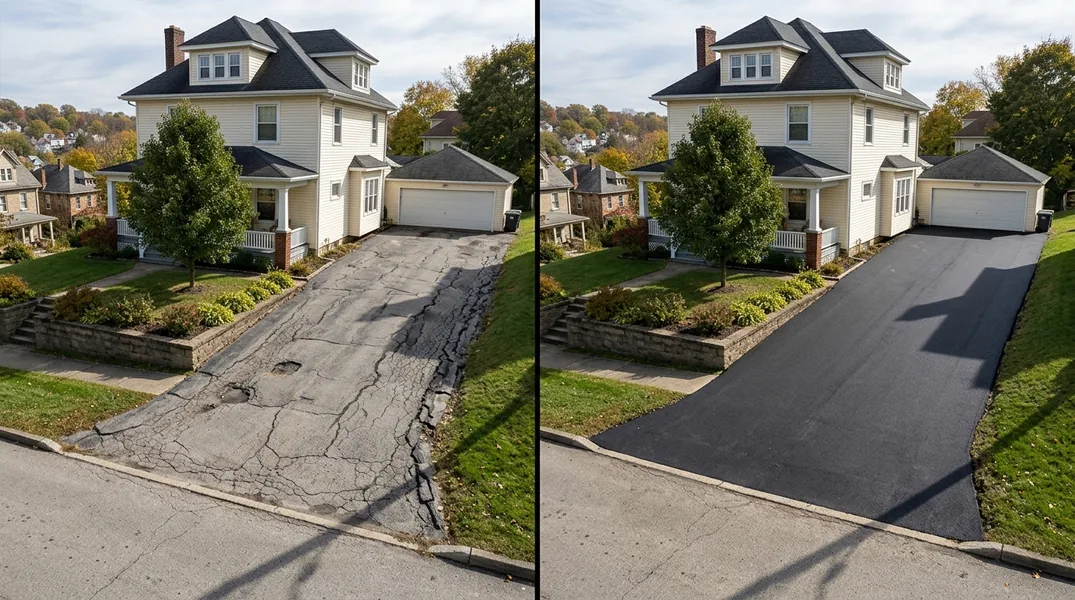
Understanding the Signs: When Your Driveway Needs Attention
Your driveway is one of the first things visitors see when they arrive at your home, but more importantly, it's a significant investment that protects the area beneath it from water damage and wear. Over time, Mansfield driveways face the challenges of Ohio's freeze-thaw cycles, heavy vehicle traffic, and exposure to the elements. Recognizing the early warning signs of damage can mean the difference between a simple repair and a costly full replacement.
Cracks in asphalt come in many forms, and not all of them signal the same level of concern. Hairline cracks that are less than a quarter-inch wide are often cosmetic and can be addressed with preventive maintenance. However, wider cracks, especially those that form patterns or allow water to penetrate the surface, demand immediate attention. When you notice cracks expanding or notice chunks of asphalt breaking away, it's time to call a professional to assess whether Driveway Repair or a more comprehensive solution is needed.
The Difference Between Repair and Replacement
Not every damaged driveway requires complete removal and replacement. Driveway Repair options range from simple crack filling to more involved patching work, and these solutions can extend your driveway's life by several years when applied early. For isolated damage such as potholes or localized cracking, Pothole Repair & Asphalt Patching can restore functionality and prevent water infiltration without the expense of starting over.
Replacement becomes necessary when damage is widespread, structural integrity is compromised, or the driveway has simply reached the end of its serviceable life, typically 15 to 20 years depending on maintenance and climate. Asphalt Driveway Paving & Installation provides a fresh start with modern materials and proper installation techniques. Another middle-ground option is Asphalt Resurfacing & Overlay, which applies a new layer of asphalt over an existing base. This approach is often more affordable than full replacement while delivering a like-new surface.
How Long for Asphalt to Cure: What You Need to Know
One of the most common questions homeowners ask after new asphalt installation is how long the curing process takes. Understanding the curing timeline is essential for protecting your investment and avoiding premature damage. The answer depends on several factors, including temperature, humidity, and the specific asphalt mix used by your contractor. In ideal conditions with warm weather and moderate humidity, asphalt can achieve initial set within 24 to 48 hours, but this is not the same as full cure.
Full curing of asphalt typically takes 30 to 90 days, during which the material continues to harden and bond properly. During the first few days after installation, the surface may still be somewhat soft and vulnerable to marking, indentation, or tracking. Mansfield's variable spring and fall weather can extend this timeline, so timing your installation during stable weather conditions helps accelerate the process. The longer your asphalt cures undisturbed, the more durable and long-lasting your driveway will be.
How Long Before You Can Drive on New Asphalt
While you may be eager to use your newly paved driveway, patience during the early curing phase pays dividends. Most professional contractors recommend waiting at least 24 to 48 hours before driving on new asphalt, though lighter vehicles are less risky than heavy trucks or RVs. The surface may appear dry and solid, but the asphalt beneath continues to set and cure. Driving on it too soon can cause tire marks, indentations, or even surface damage that compromises the integrity of the entire installation.
For the first week or two, limit traffic to light passenger vehicles and avoid parking heavy vehicles in the same spot for extended periods. This is particularly important during warm weather when the asphalt is softer. If you must use your driveway immediately after installation, stay in the center and avoid sharp turns or sudden stops. After the initial 48-hour period, normal use is generally safe, but complete curing takes several weeks to months. During this time, avoid applying seal coating or subjecting the surface to extreme stress.
New Asphalt Driveway Care: Protecting Your Investment
Proper maintenance in the months and years following installation is crucial for maximizing your driveway's lifespan. New asphalt driveway care begins immediately after installation and continues through regular upkeep. Avoid using de-icing salts or harsh chemicals during the first winter, as these can interfere with the curing process and cause surface deterioration. Instead, use sand or kitty litter for traction on icy surfaces. Sweep debris regularly and rinse the surface occasionally to prevent buildup that can trap moisture.
One of the most important aspects of new asphalt driveway care is understanding when and how often to seal your driveway. Most professionals recommend waiting six to twelve months after installation before applying the first seal coat, allowing the asphalt to fully cure and any excess oils to evaporate. Once sealed, regular maintenance becomes easier, and your driveway will resist water penetration, oxidation, and UV damage more effectively. Establishing a consistent maintenance routine from day one will help you avoid costly repairs down the road.
How Often to Seal Driveway: A Maintenance Schedule for Mansfield Homeowners
Seal coating is one of the most cost-effective investments you can make in driveway longevity, yet many homeowners are unsure about how often to seal driveway surfaces. The frequency depends on your local climate, traffic volume, and the quality of the initial installation. In Mansfield, where winters are cold and precipitation is common, most experts recommend seal coating every two to three years. This protective layer shields the asphalt from water infiltration, which is the primary cause of cracks and potholes in Ohio's climate.
The first seal coat should be applied six to twelve months after new installation, as mentioned earlier. After that, monitor your driveway's condition annually. If the surface begins to look faded or water no longer beads up on the surface, it's time to reseal. Regular seal coating costs far less than repair or replacement and extends the life of your driveway by five to ten years or more. If you're unsure whether your driveway needs sealing or if you'd like professional guidance on a maintenance schedule tailored to your specific situation, contact Mansfield Asphalt Paving at (419) 775-9330 to discuss your options.
Making the Repair or Replace Decision: Getting Professional Guidance
Deciding whether to repair or replace your driveway is ultimately a decision that depends on the extent of damage, your budget, and your long-term plans for your property. A professional inspection can provide clarity and help you understand the true condition of your asphalt. Contractors can assess whether cracks are structural or cosmetic, whether water has begun to compromise the base layer, and whether repair efforts will provide a reasonable return on investment. Getting a free estimate from Mansfield Asphalt Paving gives you concrete information to make an informed decision without obligation.
Don't let uncertainty lead to inaction. Small cracks and minor damage worsen quickly, especially through Ohio winters, and what could have been addressed with simple repair becomes a major problem requiring replacement. Whether you need Pothole Repair & Asphalt Patching, Asphalt Resurfacing & Overlay, or complete Asphalt Driveway Paving & Installation, the professionals at Mansfield Asphalt Paving are ready to help. Call us today at (419) 775-9330 to schedule your inspection and take the first step toward a durable, attractive driveway.
Looking for a professional asphalt paving contractor in Mansfield? Mansfield Asphalt Paving responds fast for all your asphalt paving needs.
Get a Free Quote