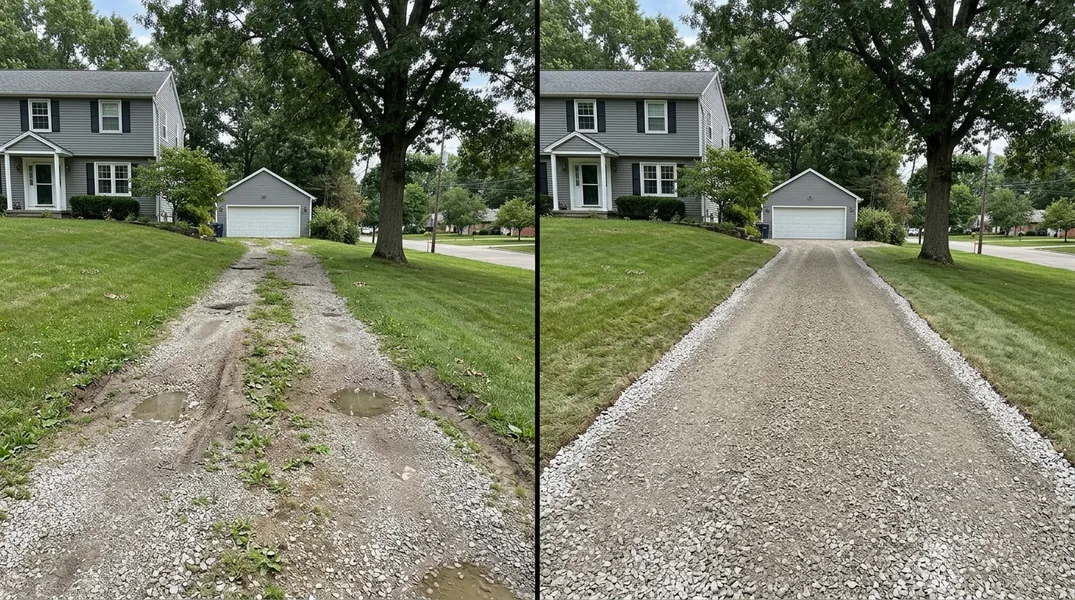
Understanding Freeze-Thaw Damage in Mansfield Driveways
Every spring, Mansfield homeowners notice the same frustrating pattern: their driveways develop cracks, potholes, and uneven surfaces that weren't there in the fall. This seasonal damage isn't random or unavoidable. It's the result of a predictable geological process called freeze-thaw damage, and understanding it is the first step toward protecting your investment.
Freeze-thaw damage occurs because water infiltrates the base layers beneath your asphalt. During cold months, that water freezes and expands, pushing the asphalt upward and creating heaving. When temperatures rise above freezing, the ice melts and the ground settles unevenly, leaving behind cracks, fractures, and soft spots. In Mansfield, where winter temperatures regularly dip below freezing and spring brings thawing cycles, this process repeats dozens of times each season. Over several years, the cumulative effect can reduce a well-installed driveway to a crumbling surface that demands expensive repairs.
Why Water Is Your Driveway's Worst Enemy
The root cause of freeze-thaw damage is water infiltration. When your asphalt surface cracks, even hairline fractures allow water to seep into the base and subgrade layers. If your driveway was installed without proper drainage or a compacted base layer, water accumulation becomes inevitable. Poor grading, missing edge drains, and inadequate sub-base preparation all contribute to the problem. Many homeowners don't realize that the quality of what lies beneath the asphalt is just as important as the asphalt itself.
This is where contractor selection becomes critical. A poorly installed driveway will trap water and fail prematurely, while a professionally installed one with proper grading, compacted stone base, and adequate drainage will resist freeze-thaw damage for years longer. If you're considering Asphalt Driveway Paving & Installation, you should always ask your contractor about their base preparation process. Do they compact the subgrade? What thickness of crushed stone do they use? How do they ensure proper drainage? These questions matter far more than price alone.
Questions to Ask a Paving Contractor Before You Sign
Choosing the right contractor is your best defense against both freeze-thaw damage and contractor scams. Unfortunately, the asphalt industry attracts operators who cut corners and use inferior materials to maximize profit. Some contractors even use leftover asphalt from other jobs, which contains contaminants and binds poorly, leading to premature failure. To avoid the leftover asphalt scam and other driveway paving scams, you need to know what questions to ask.
Start by asking about material sourcing. Where does their asphalt come from? Is it fresh mix from a certified plant, or is it recycled material from another job site? Ask about the stone base layer. What size and depth of crushed stone will they install? A quality contractor will specify at least 4 to 6 inches of compacted #57 stone. Inquire about their compaction process. Do they use a vibratory roller to compact each layer, or do they simply spread material and move on? Ask for references from customers whose driveways are at least three years old. How have those driveways held up? Finally, request a written estimate that specifies asphalt thickness (typically 2 to 3 inches for residential driveways), base layer details, and warranty terms. Any contractor unwilling to provide these specifics is a red flag.
Recognizing and Avoiding Driveway Paving Scams
The asphalt industry has earned a reputation for aggressive sales tactics and substandard work. One common driveway paving scams involves contractors offering suspiciously low pricing by using thin asphalt layers, inadequate base preparation, or the aforementioned leftover materials. Another scam targets homeowners with aging driveways by claiming that sealcoating alone will solve deep structural problems. While sealcoating is a legitimate maintenance tool, it cannot repair heave damage or structural failure. A contractor who promises to fix a heaving driveway with sealcoat alone is either inexperienced or dishonest.
Door-to-door contractors offering same-day deals are another warning sign. Legitimate paving companies build relationships with their communities and rely on referrals and online reviews. They don't need to pressure homeowners into immediate decisions. Before signing any contract, verify that your contractor is fully insured. Check online reviews on Google and the Better Business Bureau. Ask how to choose a paving contractor in your area by contacting your local chamber of commerce or asking neighbors who've had recent work done. Mansfield Asphalt Paving recommends getting at least three written estimates before deciding. The lowest bid is rarely the best value.
Driveway Repair and Maintenance to Combat Spring Damage
If your driveway is already showing signs of freeze-thaw damage, the good news is that professional repair can extend its life significantly. Driveway Repair options range from targeted fixes to complete resurfacing, depending on the extent of damage. For minor cracks and small potholes, Pothole Repair & Asphalt Patching can restore function and prevent water infiltration. For more extensive damage affecting large areas, Asphalt Resurfacing & Overlay may be the most cost-effective solution. This process involves laying a new asphalt layer over the existing surface, restoring a smooth, durable driving surface without the expense of complete removal and replacement.
Preventative maintenance is equally important. Seal your driveway every two to three years to protect against water infiltration and UV damage. Fill small cracks promptly before they expand. Ensure proper drainage by keeping gutters clean so water doesn't pool at the edges of your driveway. These simple steps can add years to your driveway's life and prevent the costly cycle of freeze-thaw damage. If you're unsure about the condition of your driveway or what repairs it needs, Mansfield Asphalt Paving offers a free professional assessment. Call (419) 775-9330 to schedule yours today.
When to Replace vs. Repair: Making the Right Choice
Not every damaged driveway needs complete replacement. Understanding when repair is sufficient and when replacement is necessary will help you make a sound financial decision. If your driveway is less than 15 years old and damage is limited to surface cracks and minor potholes, repair and maintenance can restore it effectively. However, if your driveway shows widespread heaving, multiple large potholes, or structural failure affecting more than 30 percent of the surface, replacement is typically more economical in the long run. A new driveway, properly installed with quality materials and correct base preparation, will outlast repeated repairs to a failing surface.
Your contractor should help you evaluate this decision objectively. Be wary of any contractor who automatically recommends replacement without considering repair options, just as you should be skeptical of one who insists that repairs will solve structural problems. The right choice depends on your driveway's age, the extent of damage, and your budget. If you need guidance, contact Mansfield Asphalt Paving for a free estimate and professional recommendation. Our team will assess your driveway honestly and present all viable options so you can make an informed decision that serves your needs and protects your property investment.
Looking for a professional asphalt paving contractor in Mansfield? Mansfield Asphalt Paving responds fast for all your asphalt paving needs.
Get a Free Quote